3 Winter Sensory Activities You Can Do Indoors
Winter often brings chilly weather, snow, and shorter days. While many families enjoy outdoor activities, cold temperatures and unpredictable weather can make it harder to spend extended time outside. For children with autism, this shift can feel especially challenging since regular outdoor play often provides movement, sensory input, and a natural way to regulate emotions.

The good news is that winter also offers creative opportunities for indoor sensory play. With just a few simple, low-cost materials, caregivers can create activities that engage the senses while reinforcing important ABA goals such as turn-taking, requesting, and following instructions. Best of all, these activities can be fun for the whole family.

Why Sensory Play Matters

Sensory activities allow children to explore textures, sounds, smells, and movement in a safe, structured way. For children with autism, sensory play can:

  • Support regulation and reduce anxiety.
  • Provide opportunities to practice communication skills.
  • Build social connections through shared play.
  • Encourage creativity and problem-solving.

During the winter months, when children may spend more time indoors, intentional sensory play becomes an especially valuable tool for learning and growth.

Activity 1: Indoor Snow Exploration

If you live in an area with real snow, you can bring a small bin of snow indoors for safe play. If not, there are easy substitutes such as crushed ice, cotton balls, or even homemade “snow” made from baking soda and shaving cream.

How to Set It Up:

  • Place the snow or substitute in a plastic bin or tray.
  • Add small toys, scoops, or cups for digging and building.
  • Provide spoons or tongs to encourage fine motor practice.

ABA Goals Supported:

  • Requesting: Encourage your child to ask for tools (“Can I have the scoop?”).
  • Turn-taking: Share the space and take turns building snow piles.
  • Following instructions: Give simple prompts such as “Fill the cup” or “Find the toy under the snow.”

Caregiver Tip: Keep towels nearby for easy cleanup and let your child know how long the activity will last. Predictability makes transitions smoother.

Activity 2: Winter Sensory Jars

Sensory jars, sometimes called “calm-down jars,” are simple to make and captivating to watch. They combine water, glitter, sequins, or small beads in a sealed jar that can be shaken and observed as the items swirl and settle. For winter, you can add seasonal items such as snowflake confetti or blue and silver glitter.

How to Make One:

  • Fill a clear jar or plastic bottle with water and a bit of clear glue or glycerin.
  • Add glitter, sequins, or small beads.
  • Seal tightly with glue for safety.

ABA Goals Supported:

  • Requesting help: Encourage your child to ask for materials.
  • Turn-taking: Make jars together as a family and share ideas.
  • Self-regulation: Watching the glitter settle can be a calming tool when emotions run high.

Caregiver Tip: Involve your child in each step of making the jar. Participation builds ownership and increases their interest in using the jar as a calming strategy later.

Activity 3: Hot Cocoa Pretend Play

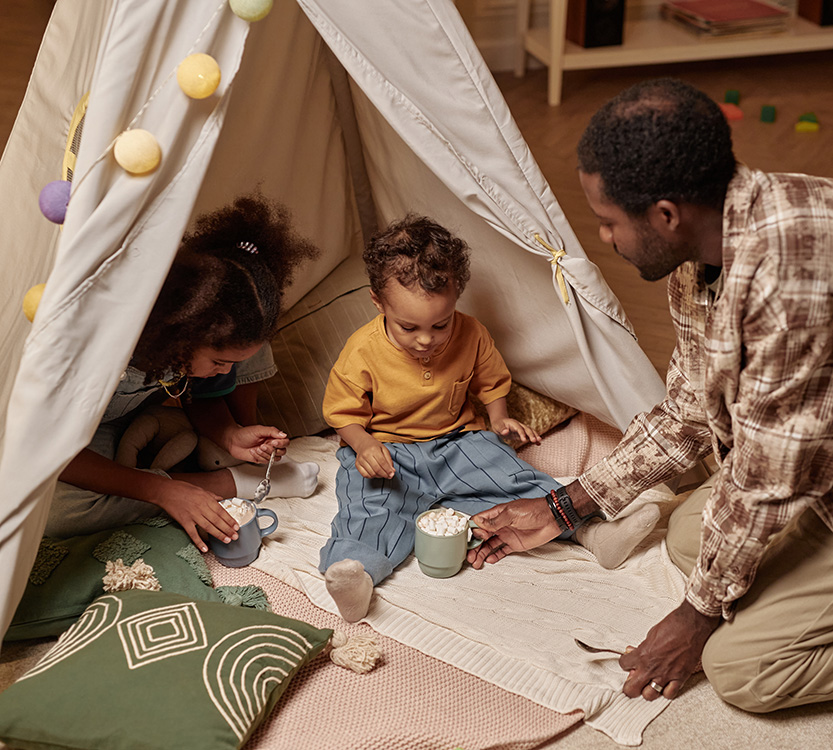
Few things say “winter” like hot cocoa. While actual hot drinks may not be safe for play, caregivers can create a pretend hot cocoa station with dry materials that mimic the experience.

How to Set It Up:

  • Use brown rice or dry beans to represent cocoa.
  • Provide cups, spoons, cotton balls (as “marshmallows”), and containers for “pouring.”
  • Encourage pretend play by “making cocoa” for family members or favorite stuffed animals.

ABA Goals Supported:

  • Imaginative play: Encourage your child to role-play being the “barista” or customer.
  • Requesting and labeling: Model language such as “more marshmallows” or “stir the cocoa.”
  • Following instructions: Give playful prompts such as “Pour cocoa, then add three marshmallows.”

Caregiver Tip: If your child enjoys cooking or helping in the kitchen, this pretend play can transition into real cooking skills later.

General Caregiver Tips

  • Follow your child’s lead. If they lose interest, move on to something else. The goal is engagement, not perfection.
  • Keep materials simple. Many items can be found around the house—no need to buy expensive kits.
  • Celebrate small successes. Whether your child shares a toy, labels a new word, or simply participates, every step matters.
  • Plan for cleanup. Sensory activities can be messy, but preparing with towels or trays keeps stress low.

Winter sensory activities aren’t just ways to fill time indoors—they are meaningful opportunities to practice communication, social skills, and regulation in fun, low-pressure ways. By weaving ABA goals into playful activities, caregivers turn ordinary days into valuable learning experiences.

More importantly, sensory play creates shared moments of joy. When children laugh, explore, and connect with caregivers, they build confidence and trust. These memories last far beyond the winter months, reminding families that growth often happens in the simplest of activities.

So, the next time cold weather keeps you inside, try one of these winter sensory ideas. With a little creativity, your home can become a place of discovery, fun, and meaningful progress—even on the snowiest days.


Sensory Processing Issues and Summer: Sand, Sweat, Fireworks … Oh, My!

by Katherine Johnson, M.S., BCBA
Senior Director of Partnerships, LEARN Behavioral

Families everywhere are chucking backpacks and school shoes to the back of the closet and getting ready for some fun in the sun. While other members of the family enjoy themselves during the quintessential summer activities, sensory-sensitive kids may feel overwhelmed and uncomfortable. How can you anticipate problems and find solutions ahead of time, so your entire family can make the most of the summer?

Smiling Black Lady Using Laptop And Map At Home, Planning Future

Planning and Preparation

Last-minute plans, like any schedule changes, can be disruptive to children with sensory processing disorders and issues, so planning is key. As you map out your summer, think about the types of activities everyone will enjoy and how you can make those with potential sensory triggers comfortable for your child.

Start by looking for sensory friendly events on your local events calendar. Many communities host special events or days for sensory-sensitive kids, such as performances at theaters without spotlights, blaring music, and crowds, or trips to shopping malls without the usual mob of consumers.

Other ways to plan and prepare in advance include:

  • Calling facilities ahead of time to find out what days and times are less crowded
  • Doing a sensory analysis of stimuli your child might encounter on an outing to pinpoint potential triggers (noise, crowds, smells)
  • Helping your child “practice” the sensory experience in advance (e.g., applying sunscreen to a small part of the body and increasing the amount daily until your child gets used to head-to-toe coverage)
  • Arranging an “out” for your sensory-sensitive child (e.g., creating a Plan B for your overstimulated child, in case Plan A doesn’t work)
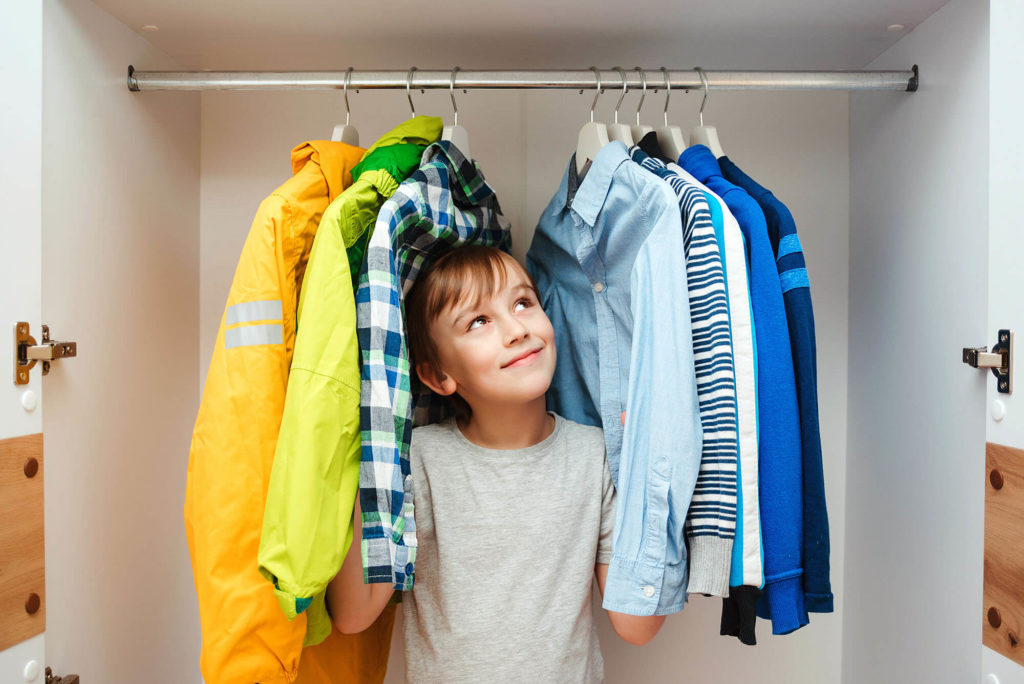
Preteen Boy Chooses Clothes In The Wardrobe Closet At Home. Kid
Clothing

Clothing and sensory issues go far beyond tag removal. Summer clothing can make or break an outing.  The wrong clothes can be a source of irritation, but the right ones can offer protection from other sensations your child may not like.

If your child takes time to get used to wearing shorts and short-sleeved shirts, buy some long sleeves and pants in light, natural, breathable fabrics to ease the transition. Likewise, keep in mind these tips about swimsuits, which can cause all kinds of sensory-related problems:

  • Tight straps, elastic waists, tags, and ruffles can make swimsuits itchy and uncomfortable. Have your child try a variety of styles to discover the best fit.
  • Consider shorts-style suits for girls, which can avoid sand inside the suit from sitting.
  • Getting used to a wet suit can take time. Help your child grow accustomed to it by taking baths or showers in the suit ahead of your day at the pool, lake, or beach.

And don’t forget about shoes. The right shoes can help your child avoid the sensory discomfort of walking on sand, grass, and rocks. In addition, flip-flops can irritate some kids’ toes. For an alternative, look into plastic clogs, slides, or different types of water shoes.

Mother Applying Sunscreen Protection Creme On Cute Little Toddle

Sun

When spending time in the sun, make sure your child drinks enough water and takes some shade breaks, while watching out for signs of overheating. Also realize that sunglasses are a must for light-sensitive kids. In fact, if your budget permits, buy multiple cheap pairs at the beginning of the summer, so your child never goes without.

When it comes to sunscreen, know that it is essential but, just like bug spray, can be greasy, sticky, creamy. What can help?

  • Try out different types of sunscreen and bug spray to find what’s most acceptable to your child, including sprays, wipes, and unscented versions.
  • Consider using a color-fading sunscreen, too, which fades in color as the lotion is absorbed—and disappears when your child is protected from and ready for the sun.
  • If your child finds pressure relaxing, use the application of sunscreen as an opportunity for a massage.
  • When bug spray is necessary, find a combination bug-spray/sunscreen so only one application is necessary. Alternatively, you can apply bug spray to their clothing before they put it on.

Kids Playing On Beach. Children Play At Sea.

Water Fun – Beaches and Pools

Most children love to get in the water. Some of the sensory experiences that go along with it, like sand and chlorine, are less welcome. Protect your child’s beach towel from sand by placing it in the center of a fitted bedsheet with weights on each corner. Also apply sunscreen before getting to the beach to avoid sticky sand that won’t come off. To remove sand from skin quickly, rub a little baby powder on the area.

Chlorine in pools can be another problem for kids with sensory sensitivities. Nose plugs and goggles that cover the nose can help with the smell. If your child has chlorine-sensitive skin, consider a salt-water pool—or, if possible, stick to lake and ocean excursions. And, of course, remember to take extra precautions to help your child stay safe around water and while swimming.

Little Cute Adorable Happy Caucasian Toddler Boy Sitting In Chil

Parties, Parades, and Car Trips

If parties, parades, and car trips are on your agenda this summer, you’ll want to plan ahead as much as possible to deal with the stimulation. Noise-cancelling headphones can be a life-saver not only in the car but also at parades, fireworks displays, and in many other situations. If your child gets carsick, avoid the rear seats of busses and backward-facing seats, and keep ginger candy on hand (real ginger, not ginger-flavored) to ease nausea.

With summer, of course, comes pesky bugs like mosquitoes and gnats. Carry along an anti-itch stick or cream, in addition to band-aids to cover bites. No one likes to feel itchy, and for sensory-sensitive kids, itchiness and the urge to scratch can feel even worse.

Having an overresponsive sensory system does not mean that summer activities must be missed. With a thoughtful plan that includes carefully-selected activities and the right supports, your entire family can get some rest and relaxation—and enjoy a delightful summer and school break.

For more tips on making the most of summer, read “Transitioning to Summer: 5 Tips to Make It a Success.” And if you’re looking for an autism provider with the ability to tailor treatment to the unique needs of your child, reach out to us at 1.877.576.4824, or fill out and submit our form.