Out of the Archives: Female Life on the Spectrum with Jennifer Cook
September 11, 2026
September 11, 2026



FEATURED POSTS



Winter often brings chilly weather, snow, and shorter days. While many families enjoy outdoor activities, cold temperatures and unpredictable weather can make it harder to spend extended time outside. For children with autism, this shift can feel especially challenging since regular outdoor play often provides movement, sensory input, and a natural way to regulate emotions.
The good news is that winter also offers creative opportunities for indoor sensory play. With just a few simple, low-cost materials, caregivers can create activities that engage the senses while reinforcing important ABA goals such as turn-taking, requesting, and following instructions. Best of all, these activities can be fun for the whole family.
Sensory activities allow children to explore textures, sounds, smells, and movement in a safe, structured way. For children with autism, sensory play can:
During the winter months, when children may spend more time indoors, intentional sensory play becomes an especially valuable tool for learning and growth.
If you live in an area with real snow, you can bring a small bin of snow indoors for safe play. If not, there are easy substitutes such as crushed ice, cotton balls, or even homemade “snow” made from baking soda and shaving cream.
Caregiver Tip: Keep towels nearby for easy cleanup and let your child know how long the activity will last. Predictability makes transitions smoother.
Sensory jars, sometimes called “calm-down jars,” are simple to make and captivating to watch. They combine water, glitter, sequins, or small beads in a sealed jar that can be shaken and observed as the items swirl and settle. For winter, you can add seasonal items such as snowflake confetti or blue and silver glitter.
Caregiver Tip: Involve your child in each step of making the jar. Participation builds ownership and increases their interest in using the jar as a calming strategy later.
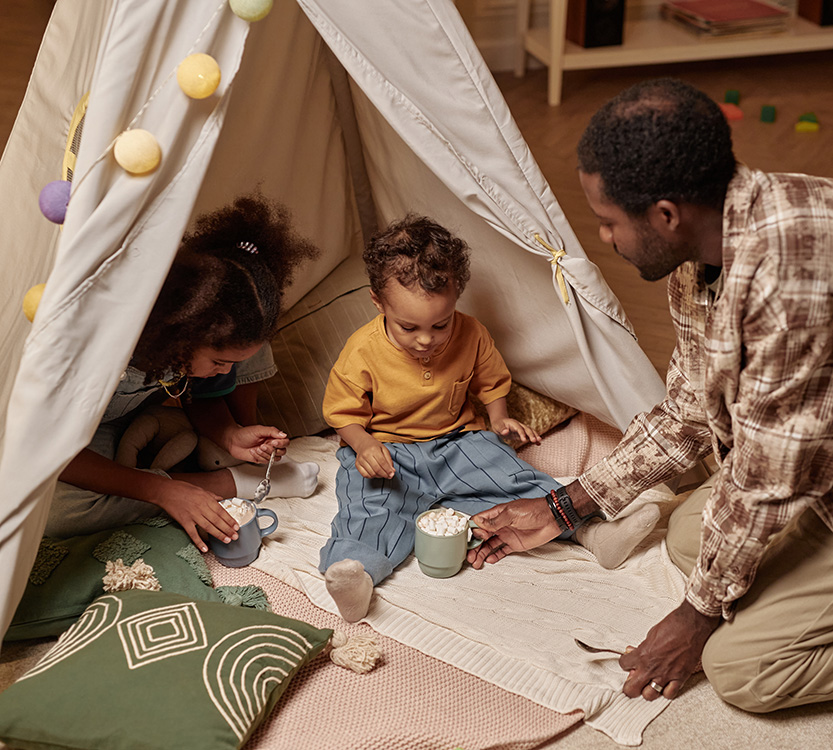
Few things say “winter” like hot cocoa. While actual hot drinks may not be safe for play, caregivers can create a pretend hot cocoa station with dry materials that mimic the experience.
Caregiver Tip: If your child enjoys cooking or helping in the kitchen, this pretend play can transition into real cooking skills later.
Winter sensory activities aren’t just ways to fill time indoors—they are meaningful opportunities to practice communication, social skills, and regulation in fun, low-pressure ways. By weaving ABA goals into playful activities, caregivers turn ordinary days into valuable learning experiences.
More importantly, sensory play creates shared moments of joy. When children laugh, explore, and connect with caregivers, they build confidence and trust. These memories last far beyond the winter months, reminding families that growth often happens in the simplest of activities.
So, the next time cold weather keeps you inside, try one of these winter sensory ideas. With a little creativity, your home can become a place of discovery, fun, and meaningful progress—even on the snowiest days.